
Verify
Confirm fundamental subsystem behaviour under controlled conditions.
Research & Validation
Celvera moves from controlled engineering questions to tropical field evidence, with validation designed into the programme from the beginning.
Validation pathway
Confirm fundamental subsystem behaviour under controlled conditions.
Define suitable reference methods and the traceability of observations.
Understand measurement behaviour and relevant operating constraints.
Evaluate the integrated system under tropical farm conditions against predefined criteria.
Examine performance and variability across additional operating settings.
Current focus
DryDock and Nexus connect field observation with operating context. Credibility therefore depends on both the integrity of the measurement and the integrity of the resulting evidence record.
Structure comparisons against qualified reference observations.
Define field behaviour, operating constraints and relevant exclusions.
Keep measurement, pond, event and validation context reviewable through time.
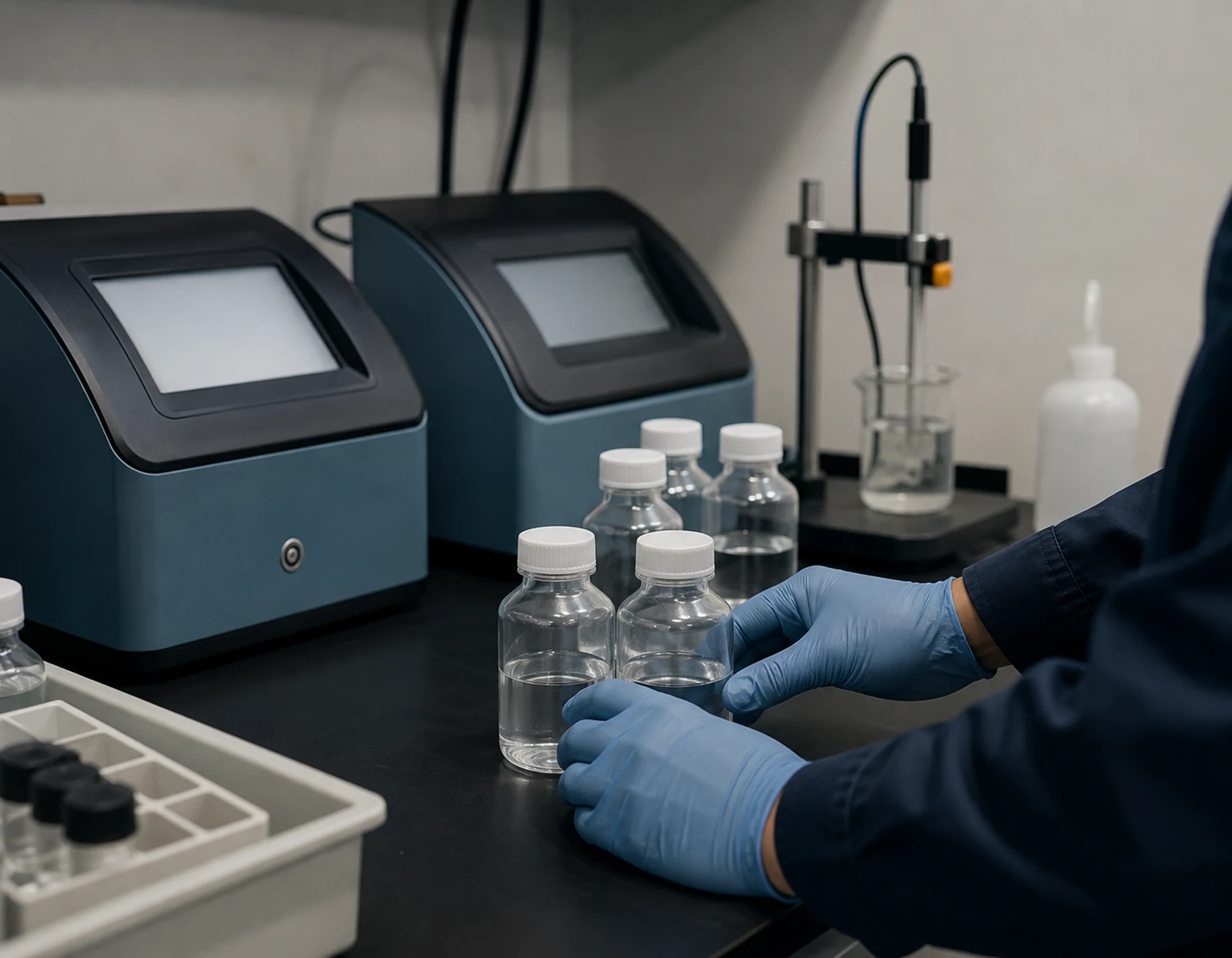
Image direction
Use a real Celvera photograph showing an approved reference instrument, a non-confidential test setup or a disciplined field-comparison activity.
The image should feel observational and exact. Avoid staged lab teams, stock glassware, invented apparatus and any readable results that have not been cleared for publication.
Evidence discipline
Celvera distinguishes what is intended, what has been observed and what has been independently confirmed.
That separation is not a disclaimer added at the end. It is part of the engineering standard from the beginning.
Public results will be added when the work is complete, the evidence supports the statement and publication permissions are in place.
Research collaboration
Study how environmental measurements behave through real tropical operating conditions.
Define how relevant farm events should accompany evidence without overwhelming it.
Evaluate whether integrated records support disciplined investigation and operational learning.
Start a conversation
We welcome rigorous research and validation conversations grounded in real operating conditions, clear questions and publication-ready evidence discipline.
Contact Celvera